Manual for Men: A Comprehensive Guide
This comprehensive resource delves into fashion, grooming, health, career, and finances, offering practical advice for a fulfilling life. It’s a style bible for the modern man!
Modern masculinity transcends traditional stereotypes, embracing individuality, emotional intelligence, and holistic well-being. It’s about confidently expressing oneself through personal style – carefully selected garments that reflect personality and lifestyle. This isn’t merely about appearance; it’s a declaration of self.
A truly modern man prioritizes health, understanding that preventative care, like regular checkups and screenings, is paramount, especially with a family history of conditions like heart disease, cancer, or diabetes.
Furthermore, it encompasses professional development, financial independence, and cultivating meaningful relationships. It’s about taking responsibility for one’s health – your most valuable asset – and striving for a well-rounded, fulfilling existence. This guide provides insights and practical tips to navigate these facets of modern life, empowering men to thrive.
Personal Style & Fashion
Personal style is a powerful form of non-verbal communication, defining how a man presents himself to the world. It’s about more than just following trends; it’s about curating a wardrobe that reflects individuality and lifestyle. Building a cohesive look begins with understanding your body type and ensuring a proper fit – crucial for both comfort and aesthetics.
Essential wardrobe staples, like white or pale blue button-down shirts, offer versatility, easily transitioning from casual to formal settings. Explore chic suits, slacks, and ties to elevate your professional appearance.
Mastering color and pattern coordination is key to a polished look. Don’t underestimate the impact of accessories; they add personality and complete an outfit. Remember, style is an ongoing journey of self-discovery and refinement.
Understanding Your Body Type & Fit
Achieving a flattering silhouette starts with recognizing your body type. Are you athletic, slim, average, or larger build? Each requires a different approach to clothing selection. Proper fit is paramount; clothes shouldn’t be too tight or too loose. Pay attention to shoulder seams, sleeve length, and the overall drape of garments.
For example, slim-fit clothing often complements athletic builds, while those with broader frames might prefer classic or relaxed fits. Understanding your proportions – torso length, leg length, and arm length – is also vital. Tailoring is your friend! A well-tailored garment instantly elevates your appearance.
Don’t be afraid to experiment and seek advice from a professional stylist to discover what works best for your unique physique. A good fit boosts confidence and projects a polished image.

Essential Wardrobe Staples
Building a versatile wardrobe begins with core staples. A white or pale blue button-down shirt is indispensable – dress it up or down. Navy and grey suits are foundational for professional settings and special occasions. Invest in quality chinos and dark-wash jeans that fit impeccably. A classic trench coat or versatile jacket provides outerwear options.
Don’t overlook the importance of comfortable, well-fitting t-shirts in neutral colors. A cashmere sweater adds a touch of luxury and warmth. Solid-colored polos are great for casual outings. These pieces form the building blocks for countless outfits.
Prioritize quality over quantity; fewer, well-made items will last longer and look better. These staples provide a solid base for expressing your personal style through accessories and bolder choices.

Color & Pattern Coordination
Mastering color and pattern elevates your style. Neutral colors – navy, grey, black, and white – form a versatile base, easily paired with bolder accents. Start with a core palette and build from there. When introducing color, consider the color wheel; complementary colors (opposite each other) create contrast, while analogous colors (adjacent) offer harmony.
Patterns should be used strategically. Subtle patterns like stripes or checks are easier to incorporate than loud prints. Pair a patterned shirt with neutral trousers, or a patterned tie with a solid suit. Avoid clashing patterns; if wearing two, ensure they differ significantly in scale.
Confidence is key; experiment to discover what works for your personal style. Remember, less is often more – a well-chosen accent color can make a statement.
Accessorizing with Purpose
Accessories are the punctuation of your outfit, adding personality and polish. A quality watch is a timeless investment, signaling attention to detail. Leather belts should match your shoes in color and formality. Ties, when appropriate, offer a chance to introduce color and pattern, but keep them proportionate to your build.
Pocket squares add a touch of sophistication, but avoid matching them exactly to your tie; complementary colors or subtle patterns work best. Consider subtle jewelry – a simple ring or bracelet – but avoid excessive ornamentation. Sunglasses are both functional and stylish; choose a frame that complements your face shape.

Remember, accessories should enhance, not overwhelm. Prioritize quality over quantity, and choose pieces that reflect your individual style and lifestyle.
Grooming & Hygiene
Establishing a consistent grooming routine is paramount for projecting confidence and well-being. This extends beyond simply showering; it’s about proactive self-care. Prioritize skincare with a daily cleanser, moisturizer, and sunscreen – even on cloudy days. Addressing skin concerns early prevents more significant issues later.
Hair care involves finding the right products for your hair type and a style that suits your face shape. Regular haircuts maintain a polished appearance. If you sport facial hair, beard grooming is essential – trimming, shaping, and conditioning keep it looking neat and healthy.
Don’t underestimate the power of good hygiene: regular teeth brushing, flossing, and deodorant use are non-negotiable. A well-groomed man demonstrates respect for himself and those around him.

Skincare Routine for Men
A foundational skincare routine doesn’t need to be complicated, but consistency is key. Begin with a gentle cleanser to remove dirt and oil, preventing clogged pores and breakouts. Follow with a moisturizer to hydrate the skin, combating dryness and maintaining elasticity. Don’t skip sunscreen – daily application protects against harmful UV rays, preventing premature aging and reducing skin cancer risk.
Consider your skin type: oily, dry, or combination. Adjust products accordingly. Exfoliating once or twice a week removes dead skin cells, revealing brighter, smoother skin. Addressing specific concerns like acne or sensitivity with targeted treatments is also beneficial;
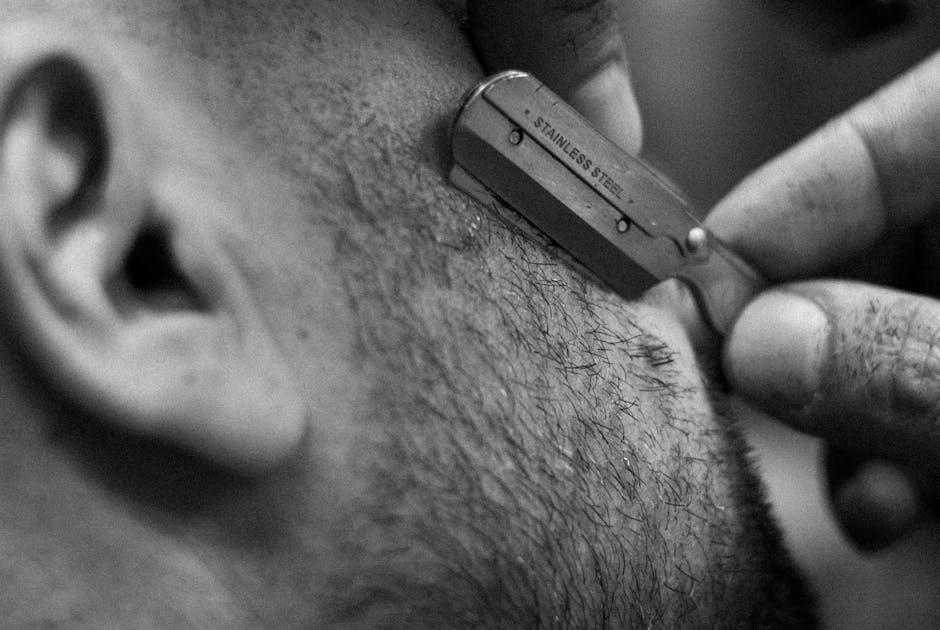
Simple steps, consistently applied, yield significant results. Prioritizing skincare is an investment in long-term health and appearance.
Hair Care & Styling

Effective hair care begins with understanding your hair type – straight, wavy, curly, or coily – and selecting products designed for it. A quality shampoo and conditioner are essential, focusing on cleansing the scalp and hydrating the hair shaft. Avoid harsh sulfates that can strip natural oils.
Styling options are vast, ranging from classic cuts to modern trends. Consider your face shape and lifestyle when choosing a hairstyle. Utilize styling products like pomade, gel, or wax to achieve your desired look, but avoid overuse, which can lead to buildup and damage.
Regular trims maintain shape and prevent split ends. Protecting your hair from heat styling is crucial; use a heat protectant spray before using blow dryers, straighteners, or curling irons.
Beard Grooming & Maintenance
A well-maintained beard requires consistent care and attention. Begin with regular washing using a beard-specific shampoo and conditioner to cleanse and soften the hair. Avoid harsh soaps that can dry out the skin underneath.
Beard oil is crucial for hydrating both the beard and the skin, preventing itchiness and promoting healthy growth. Beard balm offers additional hold and shaping capabilities. Regular trimming is essential to maintain a desired length and shape, preventing a wild or unkempt appearance.
Brushing or combing your beard daily helps distribute oils evenly and detangle the hair. Consider using a beard brush with boar bristles for optimal results. Pay attention to the neckline and cheek lines for a clean, defined look.
Health & Fitness
Prioritizing health and fitness is paramount for a fulfilling life. Engage in at least 30 minutes of aerobic exercise three times a week – walking, jogging, swimming, or cycling are excellent choices. Consistent physical activity boosts cardiovascular health, builds muscle strength, and enhances overall well-being.
Strength training fundamentals are also vital; incorporate exercises targeting all major muscle groups. Nutrition plays a key role; focus on a balanced diet rich in fruits, vegetables, lean proteins, and whole grains. Remember, your health is your most valuable asset, and preventative health checkups are crucial.
If family history indicates risks like heart disease, cancer, or diabetes, inform your doctor for earlier or more frequent screenings. Men are statistically less likely to visit a doctor than women, so proactive health management is essential.
Cardiovascular Exercise & Routine
Establishing a consistent cardiovascular routine is fundamental for men’s health. Aim for at least 30 minutes of aerobic exercise three times weekly, but more is often beneficial. Options include brisk walking, jogging, swimming, cycling, or even dancing – choose activities you enjoy to ensure adherence.
Begin with a warm-up, gradually increasing intensity. Monitor your heart rate to stay within your target zone for optimal benefits. Cool down afterward with stretching to improve flexibility and prevent muscle soreness. Vary your routine to prevent plateaus and maintain engagement.
Consider interval training – alternating between high-intensity bursts and recovery periods – for enhanced cardiovascular fitness. Regular cardio strengthens your heart, lowers blood pressure, and improves cholesterol levels, contributing to long-term health and vitality.

Strength Training Fundamentals
Incorporating strength training is crucial for building muscle mass, increasing bone density, and boosting metabolism. Begin with bodyweight exercises like push-ups, squats, and lunges to establish a foundation. Gradually introduce weights – dumbbells, barbells, or resistance bands – as your strength improves.
Focus on compound exercises that work multiple muscle groups simultaneously, such as squats, deadlifts, bench presses, and overhead presses. Proper form is paramount to prevent injuries; consider working with a trainer initially to learn correct technique.
Aim for 2-3 strength training sessions per week, allowing for adequate recovery between workouts. Vary your exercises and rep ranges to challenge your muscles and promote continued growth. Remember consistency is key to achieving lasting results and overall physical well-being.
Nutrition & Diet for Men

A balanced diet is fundamental to men’s health, providing the energy and nutrients needed for optimal performance. Prioritize lean protein sources like chicken, fish, and beans to support muscle growth and repair. Incorporate complex carbohydrates – whole grains, fruits, and vegetables – for sustained energy levels.
Healthy fats, found in avocados, nuts, and olive oil, are essential for hormone production and overall health. Limit processed foods, sugary drinks, and excessive saturated and trans fats. Hydration is also critical; aim to drink plenty of water throughout the day.
Consider your activity level when determining caloric intake. If health problems like heart disease, cancer, or diabetes run in your family, dietary adjustments are even more important. A proactive approach to nutrition is a cornerstone of a healthy lifestyle.
Preventative Health Checkups & Screenings
Regular health checkups are crucial for men, often lagging behind women in seeking medical attention. Annual physicals allow doctors to monitor vital signs, identify potential issues early, and provide personalized health advice. Screenings for heart disease, cancer (prostate, colorectal, skin), and diabetes are particularly important.
If family history indicates a predisposition to certain conditions, discuss earlier or more frequent screenings with your physician. Blood pressure and cholesterol checks should be routine. Don’t ignore symptoms; prompt attention can significantly improve outcomes.
Remember, your health is your responsibility and most valuable asset. Prioritizing preventative care empowers you to live a longer, healthier, and more fulfilling life. Early detection is key to successful treatment and maintaining overall well-being.
Career & Financial Independence

Achieving career success and financial independence are cornerstones of a modern man’s fulfillment. Prioritize professional development through continuous learning, skill enhancement, and networking. Building a strong network opens doors to opportunities and mentorship.
Financial planning is equally vital. Begin with budgeting, tracking expenses, and setting clear financial goals. Explore investment basics – stocks, bonds, and real estate – to grow your wealth over time. Diversification minimizes risk, and seeking advice from a financial advisor can be beneficial.
Cultivate a proactive approach to your career and finances. Taking control empowers you to secure your future and pursue your passions with confidence and stability. Remember, financial freedom provides choices and reduces stress.
Professional Development & Networking
Continuous learning is paramount for career advancement. Invest in skill enhancement through workshops, online courses, and certifications relevant to your field. Staying updated with industry trends demonstrates initiative and adaptability, crucial qualities for success.
Networking is equally essential. Attend industry events, join professional organizations, and actively connect with colleagues and mentors. LinkedIn is a powerful tool for building and maintaining your professional network. Don’t underestimate the value of informational interviews – learning from others’ experiences can provide invaluable insights.
Cultivate genuine relationships built on mutual respect and support. A strong network provides opportunities for collaboration, mentorship, and career growth. Remember, networking isn’t just about what others can do for you; it’s about reciprocal value.
Financial Planning & Investment Basics
Establishing a solid financial foundation is crucial for long-term security. Begin with budgeting – track your income and expenses to understand where your money goes. Prioritize saving a portion of each paycheck, aiming for at least 15% for retirement and emergency funds.
Debt management is key. Tackle high-interest debt first, such as credit cards, to minimize interest payments. Explore investment options like stocks, bonds, and mutual funds, understanding the associated risks and potential returns. Diversification is vital – don’t put all your eggs in one basket.
Consider consulting a financial advisor for personalized guidance. They can help you create a financial plan tailored to your goals and risk tolerance; Regularly review and adjust your plan as your circumstances change, ensuring you stay on track towards financial independence.