Discover Hawaii’s vibrant marine life with our guide, featuring Reef and Shore Fishes book by John E. Randall, a valuable resource for fish identification.
Overview of Hawaiian Fish Species
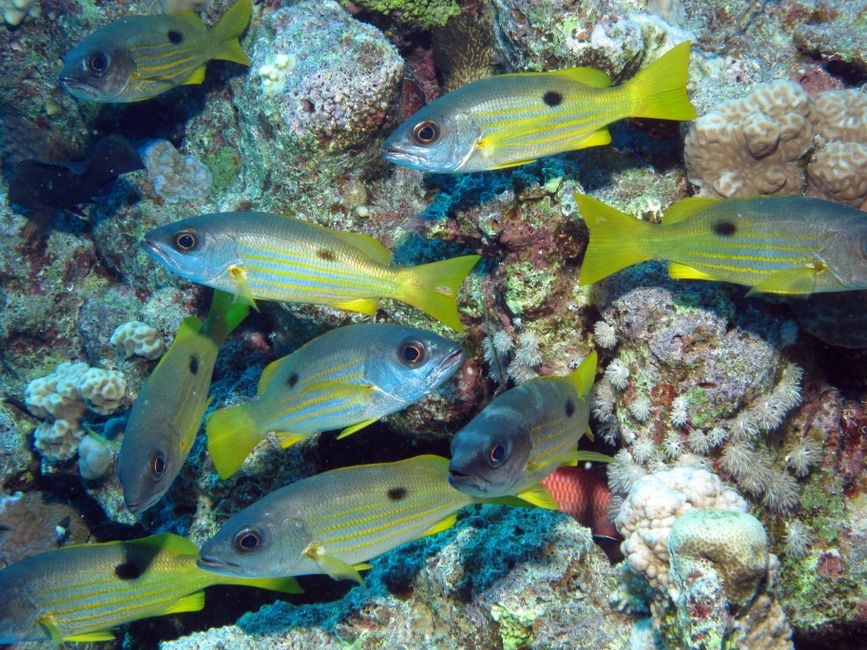
The Hawaiian Islands are home to a diverse range of fish species, with many unique and endemic species found nowhere else in the world. Reef and Shore Fishes of the Hawaiian Islands book provides a comprehensive overview of these species, including their characteristics and habitats. The book is written by John E. Randall, a renowned expert in the field of ichthyology. With over 100 species of fish found in Hawaiian waters, the book is an essential resource for anyone interested in learning more about the marine life of the islands. From the Threadfin Butterflyfish to the Bird Wrasse, each species is carefully described and illustrated, making it easier to identify and learn about the different types of fish that call Hawaii home. Whether you are a scuba diver, snorkeler, or simply someone who loves the ocean, this book is a must-have for anyone interested in exploring the underwater world of Hawaii.
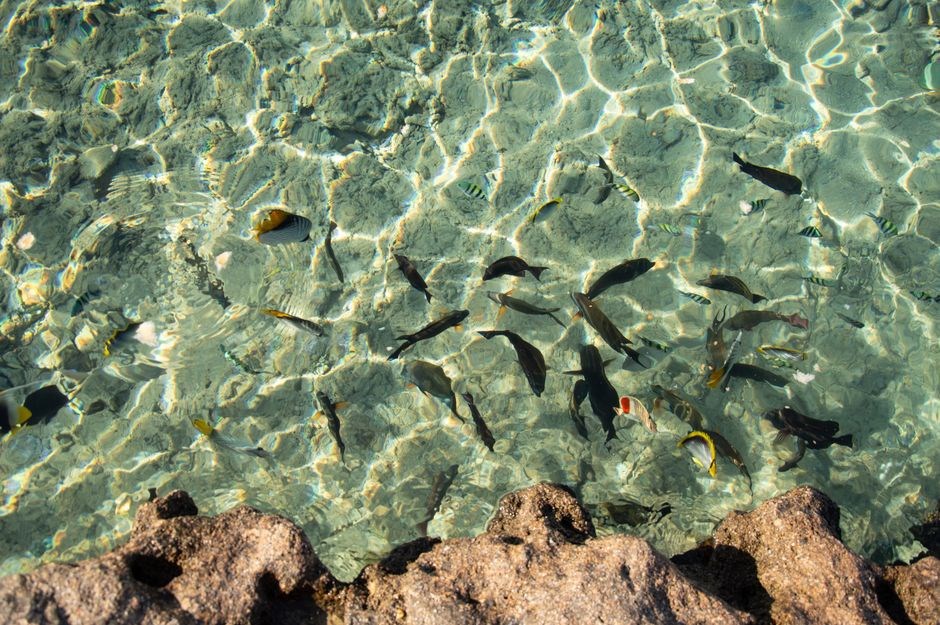
With its rich marine biodiversity, Hawaii is a paradise for fish enthusiasts and conservationists alike. The islands’ unique location in the Pacific Ocean, combined with their volcanic origins, has created a unique set of ecosystems that support an incredible array of marine life. From the coral reefs to the open ocean, each habitat is home to a diverse range of fish species, many of which are found nowhere else in the world. By learning more about these species and their habitats, we can work to protect and preserve the beauty and diversity of Hawaii’s marine ecosystems for future generations.
The Reef and Shore Fishes of the Hawaiian Islands book is an essential tool for anyone interested in learning more about the fish species of Hawaii. With its comprehensive coverage of the islands’ marine life, the book is a valuable resource for researchers, conservationists, and fish enthusiasts alike. By providing a detailed overview of the different species found in Hawaiian waters, the book helps to promote a greater understanding and appreciation of the islands’ unique marine biodiversity. Whether you are a student, teacher, or simply someone who loves the ocean, this book is a must-have for anyone interested in exploring the underwater world of Hawaii.
Importance of Fish Identification in Hawaii
Accurate fish identification is crucial in Hawaii, as it helps to conserve and manage the islands’ marine resources. By correctly identifying fish species, researchers and conservationists can monitor population trends, track the spread of invasive species, and develop effective conservation strategies. Fish identification also helps to inform fishing regulations and management policies, ensuring that fishing practices are sustainable and responsible. Furthermore, accurate fish identification is essential for educating the public about the importance of marine conservation and promoting a greater appreciation for Hawaii’s unique marine biodiversity. By supporting fish identification efforts, we can help to protect the health and resilience of Hawaii’s marine ecosystems for future generations. Learning about fish identification can be a fun and rewarding experience, and there are many resources available to help get you started. Whether you are a student, teacher, or simply someone who loves the ocean, fish identification is an important skill to develop and share with others.
Popular Fish Species in Hawaii
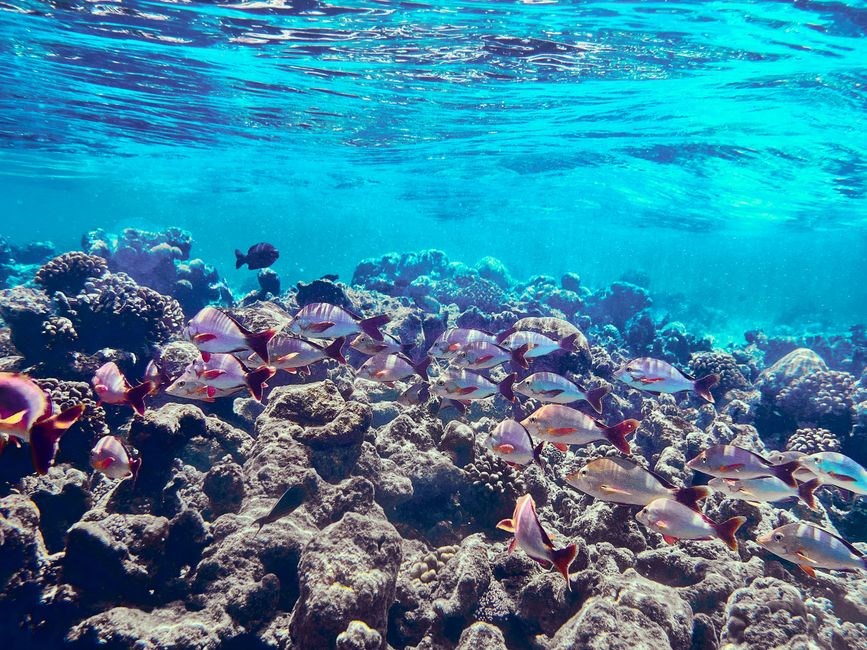
Explore Hawaii’s iconic fish species, including colorful reef fish, unique butterflyfish, and intriguing wrasse, with our guide to the islands’ most popular fish.
Threadfin Butterflyfish: Characteristics and Habitat
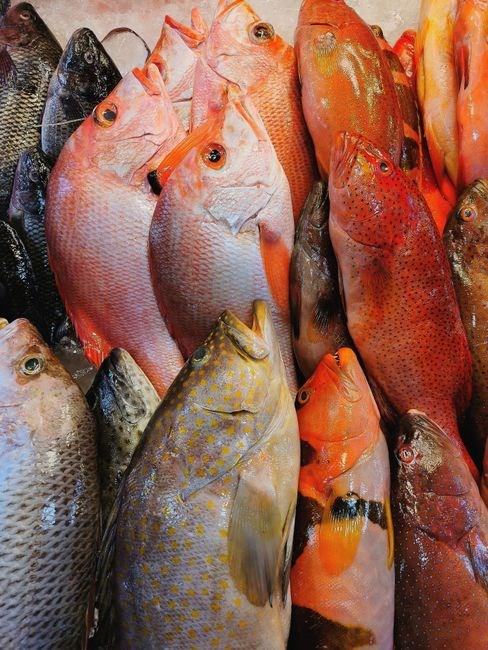
The Threadfin Butterflyfish (Chaetodon auriga) is a unique species found in Hawaii’s coral reefs, characterized by its white body with dark bands and yellow posterior, reaching up to 8 inches in length. They feed on coral polyps, anemones, small crustaceans, polychaete worms, fish eggs, and algae. Their habitat consists of coral reefs and rocky areas, where they swim solo or in small groups. The Threadfin Butterflyfish is also known as kïkäkapu in Hawaiian, and is a popular sight among divers and snorkelers in Hawaii’s marine waters, with its distinctive appearance and interesting behavior, making it a valuable species to study and protect in Hawaii’s marine ecosystem.
Bird Wrasse: Unique Features and Identification
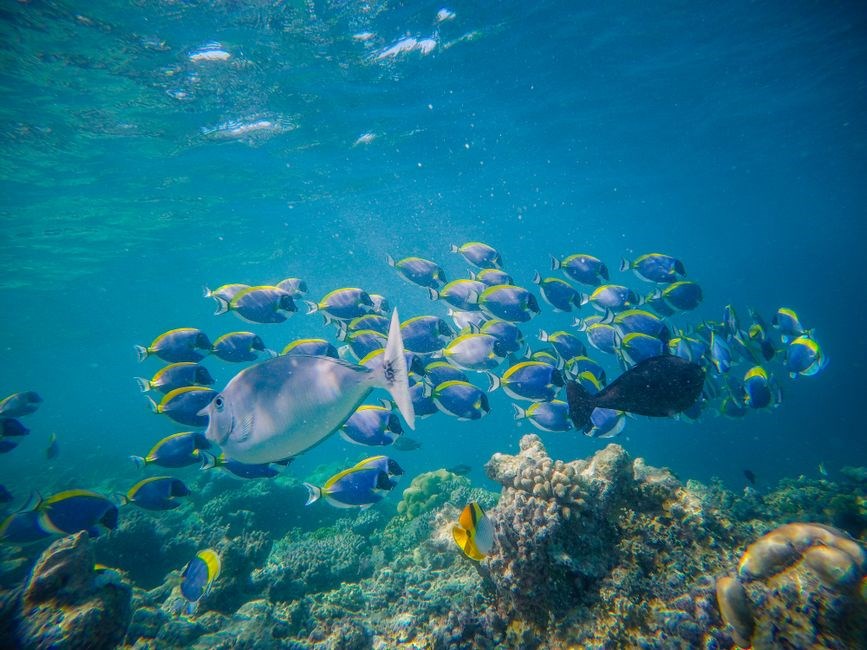
The Bird Wrasse (Hīnālea akilolo) is a distinctive species found in Hawaii’s waters, characterized by its bird-like mouth, which sets it apart from other wrasse species. This unique feature makes it easy to identify, as most wrasse have a more traditional fish-like mouth. The Bird Wrasse is also known for its vibrant colors and interesting behavior, making it a popular sight among divers and snorkelers in Hawaii’s marine waters. To identify the Bird Wrasse, look for its distinctive mouth and colorful appearance, and note its habitat in coral reefs and rocky areas, where it swims solo or in small groups, and its diet consists of small invertebrates and algae, making it a valuable species to study and protect in Hawaii’s marine ecosystem, with conservation efforts in place to preserve its population and habitat.
Fish Identification Resources
Utilize online resources and field guides for accurate fish identification in Hawaii, including websites and books by experts like John E. Randall.
Reef and Shore Fishes of the Hawaiian Islands Book
The Reef and Shore Fishes of the Hawaiian Islands book, written by John E. Randall, is a comprehensive guide to Hawaii’s marine life, featuring keys for identifying species in each family, with hardcover and full-color illustrations, making it a valuable resource for ichthyological enthusiasts, available on Amazon for around $100-125, a worthwhile investment for those serious about fish identification in Hawaii, with detailed descriptions and high-quality images to aid in species identification, a must-have for anyone interested in Hawaii’s unique and diverse marine ecosystem.
Online Resources for Hawaii Fish Species Identification
Utilize online resources for Hawaii fish species identification, including websites and forums dedicated to marine life, featuring image galleries and description databases to aid in species recognition, with search functions and filtering options to narrow down results, and expert advice from experienced ichthyologists and marine biologists, providing valuable insights and tips for accurate identification, and staying up-to-date with new discoveries and research findings in the field of Hawaii fish species identification, with links to relevant articles and publications for further reading and study, and online communities for discussing and sharing knowledge with like-minded individuals, making online resources a vital tool for Hawaii fish species identification.
Hawaii Fish Species Classification
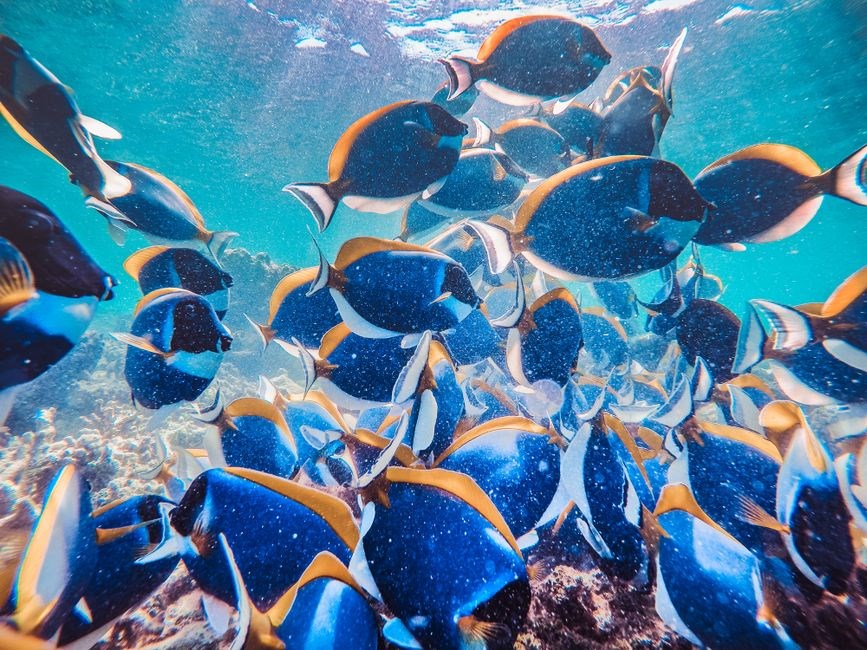
Classification involves taxonomic ranking using binomial nomenclature to categorize species into orders and families, with characteristics and traits used to distinguish between them, and understanding these classifications is crucial for effective identification.
Low-Fin Chubs: Species and Characteristics
The Low-Fin Chubs are a group of fish that belong to the family Kyphosidae, with species such as Kyphosus hawaiiensis and Kyphosus vaigiensis found in Hawaiian waters, characterized by their distinguishing features and unique traits, including their low-fin profile and silver-gray coloration, with identification often requiring specimens in hand due to their similarities with other species, and research indicating that these fish play an important role in the marine ecosystem, with conservation efforts necessary to protect these species and their habitats, including coral reefs and seagrass beds, which are vital for their survival and reproduction, and understanding their characteristics and behaviors is essential for effective conservation and management of these species and their habitats, with ongoing research and monitoring necessary to ensure the long-term survival of the Low-Fin Chubs and other marine species in Hawaiian waters.
Butterflyfish Family: Types and Features
The Butterflyfish family, also known as Chaetodontidae, comprises a diverse group of marine fish with unique features and characteristics, including their bright colors and distinctive patterns, with types such as the Threadfin Butterflyfish and the Longnose Butterflyfish, which are commonly found in Hawaiian waters, and are known for their small size and peaceful nature, with most species reaching a length of up to 8 inches, and are characterized by their long snout and small mouth, with some species having distinctive markings such as stripes or spots, and are found in a variety of habitats, including coral reefs and rocky crevices, where they feed on small invertebrates and algae, and are popular among marine aquarium enthusiasts due to their vibrant colors and unique features, with proper care and management necessary to ensure the health and well-being of these beautiful fish, and research is ongoing to learn more about the biology and ecology of the Butterflyfish family, and their importance in the marine ecosystem, with conservation efforts necessary to protect these species and their habitats, and to preserve the diversity of marine life in Hawaiian waters.
Hawaii Reef Fish and Their Habitats
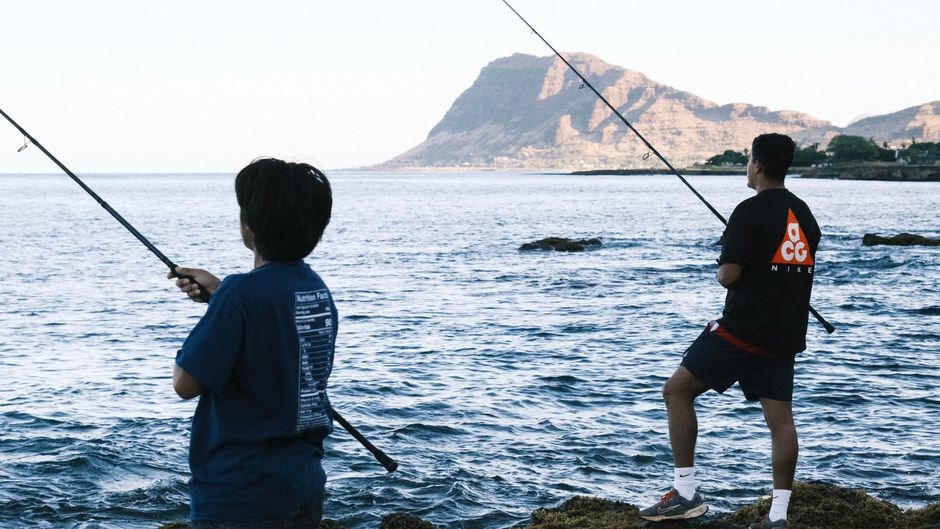
Hawaii’s coral reefs and shorelines support a diverse array of marine life, with fish inhabiting various habitats, including coral and rocky areas.
Coral Reefs: Home to Diverse Fish Species
Coral reefs in Hawaii are home to a diverse array of fish species, including butterflyfish, wrasses, and parrotfish. These reefs provide a complex structure for fish to hide, feed, and breed. With over 400 species of fish found in Hawaii’s coral reefs, they are a critical component of the marine ecosystem. The reefs also support a wide range of invertebrates, including sea turtles, octopuses, and conchs. The health of Hawaii’s coral reefs is essential for the survival of these species and the ecosystem as a whole. Conservation efforts are necessary to protect these reefs and the species that depend on them.
The coral reefs in Hawaii are also important for the local economy, with tourism and fishing industries relying on the reefs for income. The reefs also protect the shoreline from erosion and damage from waves and storms. Overall, the coral reefs in Hawaii are a valuable and important part of the marine ecosystem and the local community.
In order to protect the coral reefs in Hawaii, it is essential to understand the importance of these ecosystems and the impact of human activities on the reefs. By working together, we can protect the coral reefs and the species that depend on them, and ensure the long-term health of the marine ecosystem in Hawaii.
Algae and Seagrass: Important Fish Habitats
Algae and seagrass are crucial habitats for many fish species in Hawaii. These vegetated areas provide food, shelter, and breeding grounds for a diverse range of fish. Algae is a primary producer that supports the food chain in Hawaii’s marine ecosystem. Seagrass beds, on the other hand, offer a complex structure for fish to hide and feed. The combination of algae and seagrass creates a unique habitat that supports a wide range of fish species.
The importance of algae and seagrass habitats cannot be overstated. These areas are essential for the survival of many fish species and the health of the marine ecosystem. Conservation efforts are necessary to protect these habitats and the species that depend on them. By preserving algae and seagrass habitats, we can ensure the long-term health of Hawaii’s marine ecosystem and the fish species that call it home. Further research is needed to understand the complex relationships between algae, seagrass, and fish species in Hawaii.
Effective conservation strategies can be developed by studying the interactions between algae, seagrass, and fish species. This knowledge can be used to inform management decisions and protect these critical habitats. By working together, we can ensure the long-term health of Hawaii’s marine ecosystem and the fish species that depend on algae and seagrass habitats.
Conservation Efforts for Hawaii Fish Species
Protecting Hawaii’s marine ecosystem is crucial for fish species conservation, with efforts focused on preserving habitats and promoting sustainable fishing practices.
Protecting Hawaii’s Marine Ecosystems
Efforts to conserve Hawaii’s marine ecosystems involve protecting coral reefs, seagrass beds, and other habitats that support a diverse range of fish species. This includes establishing marine protected areas, reducing pollution, and promoting sustainable fishing practices. By working together, we can help preserve Hawaii’s unique marine ecosystems for future generations. Conservation efforts are essential to maintaining the health and biodiversity of Hawaii’s marine ecosystems, which are critical to the state’s economy and ecological balance. Protecting these ecosystems requires a collaborative approach that involves government agencies, non-profit organizations, local communities, and individuals working together to address the challenges facing Hawaii’s marine ecosystems.
Responsible Fishing Practices in Hawaii
Fishing regulations in Hawaii are designed to conserve fish populations and protect marine ecosystems. Responsible fishing practices include catch-and-release fishing, using barbless hooks, and avoiding bycatch. Fishermen can also help by reporting catches and participating in fisheries management. Sustainable fishing practices are essential to maintaining the health of Hawaii’s marine ecosystems. By adopting responsible fishing practices, fishermen can help conserve fish populations and protect marine habitats for future generations. Education and outreach programs are also important for promoting responsible fishing practices in Hawaii, and encouraging fishermen to adopt sustainable fishing methods.