Overview of the Fighter Class

The Fighter is a versatile combatant‚ blending martial prowess with tactical flexibility. At 1st level‚ you gain a Strength or Dexterity boost‚ 10 HP plus Constitution modifier‚ and access to a wide array of weapons and armor. Fighters excel in frontline engagements‚ adapting to any battlefield role.!!!!!!
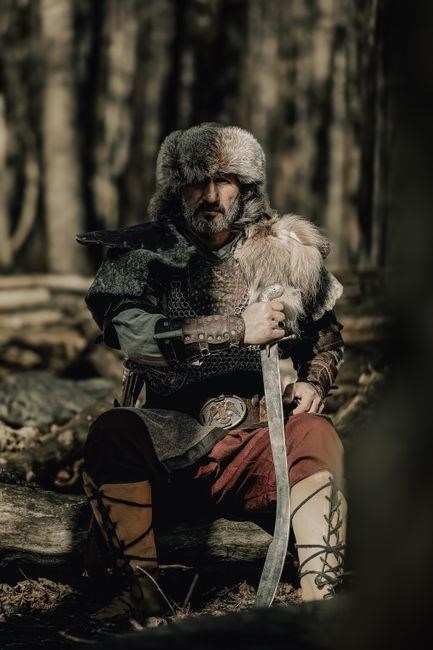
Key Attribute Selection
At 1st level‚ the Fighter chooses a Strength or Dexterity boost‚ shaping attack rolls‚ damage‚ and skill checks. Strength favors melee damage and grapple‚ while Dexterity enhances ranged attacks‚ AC‚ and stealth. Balancing these traits tailors the Fighter’s combat role. This choice shapes saves. now!
Strength vs Dexterity Priority
When selecting feats‚ the attribute choice often dictates which options provide the greatest benefit. For example‚ a Fighter may prioritize feats that increase damage or allow weapons‚ while a Fighter might choose feats that improve attack rolls‚ armor class‚ initiative‚ favoring incoming blows. Understanding how these feats interact with your chosen attribute ensures that each level-up feels meaningful and that your combat style remains coherent throughout the campaign.!!!!!!!

Constitution for Hit Points
Constitution also affects saving throws against effects that target hit points‚ such as poison or disease‚ and many class abilities that trigger when you are at a certain percentage of your maximum hit points. A higher Constitution improves your chance to survive a single lethal hit‚ especially when combined with high armor class or shield usage. Feats like ‘Toughness’ or ‘Endurance’ scale with Constitution‚ granting extra hit points or resistance to fatigue. Planning your progression‚ remember that Constitution is a source of survivability; investing points early yields a increase in hit point pool that compounds each level‚ giving you buffer very against encounters.

Ability Score Increases and Feats
Fighters gain an ability score increase each level‚ usually boosting Strength‚ Dexterity‚ or Constitution to enhance combat. Feats are chosen at level 1 and every odd level‚ offering options like weapon specialization‚ improved defense‚ or extra attacks‚ shaping a fighter’s role. Adaptable to fight!
Base Ability Score Increases
At every level‚ a Fighter receives a base ability score increase‚ typically raising Strength‚ Dexterity‚ or Constitution. This mechanic allows the character to refine combat effectiveness‚ whether by boosting damage output‚ improving hit chances‚ or enhancing survivability. The standard progression grants one +2 increase per level‚ with the option to apply it to any of the three core attributes. Players often prioritize Strength for melee damage‚ Dexterity for ranged or finesse weapons‚ and Constitution for hit points. The flexibility of the system supports diverse builds‚ from brute force warriors to agile duelists. Additionally‚ the Fighter’s specialized combat styles synergize with the chosen attributes. This combination of attribute growth and feat selection forms the backbone of a Fighter’s development‚ ensuring that each level brings tangible improvements to battlefield performance. By allocating ability score increases strategically‚ a Fighter can tailor their combat style to the campaign’s demands. For instance‚ a high Strength build excels in heavy armor and two‑handed weapons‚ while a Dexterity‑focused fighter thrives with finesse weapons and agility. Constitution boosts provide resilience‚ allowing the character to endure prolonged battles and absorb damage that would otherwise cripple less robust fighters. Moreover‚ the Fighter’s feats allow roles such as stalwart or swift striker‚ and attributes.

Selecting Fighter Feats
Fighters enjoy the largest feat pool in Pathfinder‚ granting them the flexibility to specialize or remain versatile. At 1st level‚ you choose a feat that aligns with your combat style—whether you favor a single‑weapon focus‚ dual‑weapon tactics‚ or a defensive stance. Each subsequent level offers additional feat selections‚ allowing you to stack abilities that enhance damage‚ improve defense‚ or grant utility. Common choices include Power Attack for increased damage‚ Dodge for better AC‚ and Combat Reflexes for extra attacks of opportunity. Feats can also provide access to new weapon types‚ such as the Heavy Blade or the Two‑Handed Axe‚ and enable you to adopt specific combat styles like the “Brute” or “Duelist.” When selecting feats‚ consider how they synergize with your chosen attributes and equipment. For example‚ a Strength‑heavy build benefits from feats that increase attack rolls or damage‚ while a Dexterity‑focused fighter may prioritize feats that improve ranged attacks or mobility. Additionally‚ many feats offer situational bonuses‚ such as “Improved Initiative” or “Weapon Focus‚” which can turn the tide in critical moments. The breadth of options ensures that each Fighter can tailor their progression to the campaign’s challenges and personal playstyle. By carefully balancing these feats with your attribute growth‚ you can create a Fighter that excels in any combat scenario whether you dominate the front line with devastating blows‚ support allies with tactical positioning‚ or adapt on the emerging threats. Now

Weapon Proficiency and Choices
Fighters begin with proficiency in all simple and martial weapons‚ granting access to arms. Choosing between one‑handed and two‑handed weapons depends on Strength or Dexterity: Strength favors heavy blades‚ Dexterity excels with finesse or ranged gear. Mastery of both lets you adapt to any combat role!!
One-Handed vs Two-Handed
Choosing between one‑handed and two‑handed weapons is a core tactical decision for a Pathfinder Fighter. One‑handed arms‚ such as longswords‚ rapiers‚ and handaxes‚ pair well with shields or a second weapon‚ offering versatility and the ability to defend while still dealing damage. Two‑handed weapons‚ like greatswords‚ greataxes‚ and mauls‚ deliver higher damage per hit and benefit from Strength bonuses‚ but they leave the fighter open to counter‑attacks and reduce shield usage. A high Strength score favors two‑handed options‚ while a higher Dexterity or a focus on defense encourages one‑handed gear. Additionally‚ certain feats (e.g.‚ Dual Wielder‚ Two‑Weapon Fighting) can mitigate the drawbacks of dual‑weapon combat‚ whereas feats such as Improved Two‑Handed or Power Attack enhance the effectiveness of larger blades. The choice also impacts the Fighter’s ability to maintain positional control; two‑handed weapons often allow for greater reach‚ enabling the fighter to stay out of melee range of smaller foes. Ultimately‚ a balanced build may start with a primary one‑handed weapon and a shield for survivability‚ then switch to a two‑handed weapon during higher‑level encounters when raw damage output becomes paramount. Understanding the trade‑offs between reach‚ damage‚ and defense is essential for mastering the Fighter’s role on the battlefield.
When facing swarms of enemies‚ a two‑handed weapon’s reach can keep foes at bay‚ while a shield‑armed one‑handed build excels at protecting allies and coordinating
Weapon Proficiency Basics

Fighters receive proficiency with all simple and martial weapons‚ giving them a solid foundation for any combat scenario. This universal access allows a character to pick from a wide array of options—from the blunt force of a warhammer to the finesse of a rapier—without the need for additional training. Proficiency grants a bonus to attack rolls and damage‚ and it also determines whether a weapon can be used at all. A fighter’s choice of Strength or Dexterity at 1st level directly influences which weapons feel most natural: Strength‑based builds favor heavy‚ high‑damage martial weapons‚ while Dexterity‑based builds excel with lighter‚ quicker strikes. The class’s early access to feats such as Weapon Focus‚ Power Attack‚ or Two‑Weapon Fighting further expands the tactical palette. Each feat can refine a weapon’s effectiveness‚ whether by adding a bonus to hit‚ allowing an extra attack‚ or enabling the use of a second weapon without penalty. Because fighters have the largest pool of feats in the game‚ they can specialize in a single weapon type or remain versatile across many. Mastery of weapon proficiency is therefore not just about choosing a sword or axe; it’s about understanding how the chosen attributes‚ feats‚ and the weapon’s inherent properties synergize to create a combat style that fits the campaign’s demands.

Armor and Shield Options
Fighters are proficient with all armor and shields‚ choosing light‚ medium‚ or heavy based on protection. Armor offers‚ medium balances defense and agility‚ heavy maximizes AC at the cost of movement. Shields add +2 AC and can be used with one or two‑handed weapons!
Light vs Medium Armor
Light armor is the fastest option for a fighter‚ offering the lowest armor check penalty and the highest mobility. It typically provides an AC bonus of +1 to +3‚ depending on the specific piece‚ and allows the wearer to use Dexterity for armor checks. Because of its low weight‚ a fighter can move at full speed‚ which is crucial for positioning‚ flanking‚ and maintaining distance from enemies. Light armor also grants the ability to use the “Hide” skill more effectively‚ as the reduced armor check penalty makes it easier to avoid detection. However‚ the AC bonus is modest‚ and the armor’s protective value is lower than that of medium armor. Medium armor‚ in contrast‚ offers a higher AC bonus‚ usually ranging from +3 to +5‚ and a moderate armor check penalty that is lower than heavy armor’s but higher than light armor’s. It also allows the use of Strength for armor checks‚ which can be a significant advantage for fighters with high Strength scores. The trade‑off is that medium armor is heavier‚ reducing movement speed by 5 feet‚ and it imposes a higher armor check penalty than light armor. This can affect a fighter’s ability to move quickly in combat‚ but the increased protection often outweighs the loss of speed for many combat styles. When choosing between light and medium armor‚ a fighter should consider their primary combat role: a mobile‚ hit‑and‑run fighter may favor light armor for speed‚ while a front‑line tank may prefer medium armor for its superior AC and the ability to leverage Strength in armor checks. Additionally‚ certain feats‚ such as “Armor Proficiency (Medium)” or “Armor Proficiency (Light)”‚ can further enhance a fighter’s effectiveness with the chosen armor type‚ and some class features interact differently with each‚ influencing overall combat performance. For example‚ a fighter wearing a leather armor gains a +1 AC bonus and a 0 armor check penalty‚ while a chain shirt provides a +3 AC bonus with a +2 armor check penalty. A fighter who opts for a breastplate can benefit from a +4 AC bonus and a +1 armor check penalty‚ but must sacrifice 5 feet of movement. The choice also affects the ability to use the “Parry” action; with medium armor‚ the fighter can use a higher parry bonus due to the increased AC. Moreover‚ certain prestige classes‚ such as the “Warlord”‚ require proficiency in medium armor to access their full potential. When planning a character build‚ it is essential to weigh the benefits of higher AC against the cost of reduced mobility‚ especially in environments where terrain and positioning are critical. Ultimately‚ the decision between light and medium armor should align with the fighter’s tactical priorities and the campaign’s combat demands. For example‚ a fighter wearing a leather armor gains a +1 AC bonus and a 0 armor check penalty‚ while a chain shirt provides a +3 AC bonus with a +2 armor check penalty. A fighter who opts for a breastplate can benefit from a +4 AC bonus and a +1 armor check penalty‚ but must sacrifice 5 feet of movement. The choice also affects the ability to use the “Parry” action; with medium armor‚ the fighter can use a higher parry bonus due to the increased AC. Moreover‚ certain prestige classes‚ such as the “Warlord”‚ require proficiency in medium armor to access their full potential. When planning a character build‚ it is essential to weigh the benefits of higher AC against the cost of reduced mobility‚ especially in environments where terrain and positioning are critical. Ultimately‚ the decision between light and medium armor should align with the fighter’s tactical priorities and the campaign’s combat demands. In addition‚ the choice of armor can influence a fighter’s proficiency bonus in skill checks related to stealth and perception. Light armor typically imposes a smaller penalty on Stealth checks‚ allowing a fighter to remain unseen while engaging enemies. Medium armor‚ while providing better protection‚ can hinder stealthy maneuvers. Therefore‚ a fighter who prioritizes ambush tactics may lean toward light armor‚ whereas one who relies on front‑line resilience may accept the stealth penalty for the sake of survivability. Finally‚ the cost and availability of armor types in different regions can also affect a fighter’s decision‚ as some campaigns feature scarcity of certain armor materials‚ making the choice of armor a strategic resource consideration. All in all‚ the balance between speed and protection is key.

Combat Tactics and Strategies
Fighters excel in action economy‚ using multi‑attack‚ precise positioning‚ and terrain to maximize damage. Mastering flanking‚ shield bash‚ and tactical retreats turns a fighter into a battlefield commander‚ controlling the flow of combat. and exploit enemy weaknesses.
Action Economy Mastery
Fighters leverage the game’s action economy to dominate the battlefield. By combining multiple attacks‚ utility actions‚ and reactions‚ a fighter can deliver sustained damage while controlling enemy movement. The key is to plan each round: use a standard action for a powerful attack‚ a move action to reposition‚ and a swift action for a secondary strike or a defensive maneuver. Additionally‚ fighters can use the “Attack of Opportunity” reaction to punish enemies that leave their reach‚ turning the enemy’s movement into a liability. Mastery also involves timing feats that grant extra actions‚ such as “Weapon Focus” or “Improved Initiative‚” allowing the fighter to act before foes. Proper use of “Two-Weapon Fighting” or “Two-Weapon Defense” can double the number of attacks per round‚ while “Power Attack” trades accuracy for increased damage‚ which can be critical when an enemy is already at a disadvantage. By coordinating these actions with allies—such as setting up a teammate’s “Trip Attack” or “Disarm”—the fighter can create a chain of effects that overwhelm opponents. Ultimately‚ action economy mastery turns a fighter from a simple melee combatant into a strategic engine‚ ensuring that every turn is maximized for both offense and defense.
In addition‚ mastering the use of battlefield maneuvers such as feints‚ feinting attacks‚ and tactical retreats can create openings for allies and disrupt enemy formations‚ turning the tide of combat in favor of the fighter’s party.
By integrating these maneuvers with positioning‚ a fighter can maintain pressure‚ force enemies into tactical stances‚ and support spellcasters and ranged allies‚ ensuring the party together resilience!! in battle! spirit!
Positioning and Terrain Utilization
Fighters thrive by exploiting terrain to control the flow of combat. The first step is to identify high ground‚ chokepoints‚ and cover. By occupying a raised platform‚ a fighter gains a reach advantage‚ allowing attacks from a safer distance while forcing enemies to climb or cross narrow paths. Chokepoints such as doorways or narrow corridors limit the number of foes that can attack simultaneously‚ enabling a fighter to focus fire and reduce incoming damage.
Cover—whether natural or man‑made—provides a defensive bonus to AC and saves. Positioning behind a wall or a fallen tree can reduce the effectiveness of ranged attacks‚ while still allowing the fighter to engage with melee or short‑range weapons. When fighting in open spaces‚ a fighter should keep a distance that maximizes the use of reach weapons‚ such as a spear or a glaive‚ to keep enemies at bay.
Additionally‚ terrain can be used to set traps or create hazards. A fighter can move to a spot that forces enemies to step onto a pit‚ a spike trap‚ or a pool of oil‚ then follow up with a melee attack or a spell that benefits from the enemy’s compromised position. By coordinating with allies‚ a fighter can set up a “kill zone” where multiple party members can attack from protected positions‚ ensuring that the enemy is overwhelmed before it can react.
Finally‚ always consider the enemy’s capabilities. If an opponent relies on ranged attacks‚ position yourself to block or reduce line of sight. If they are melee‑focused‚ use terrain to keep them from closing distance quickly‚ forcing them to expend movement and leaving them vulnerable to a power attack or a defensive maneuver. Mastering these principles turns a fighter into a battlefield commander‚ turning terrain into an ally.
By using terrain to create barriers‚ a fighter can force enemies into disadvantageous positions‚ making them easier to target.